The interview: Chassagne-Montrachet winemaker Antonin Pillot on honouring a 150-year-old Burgundian legacy
by Hamish McDougall
Photography by Jin Cheng Wong
With thanks to Corney & Barrow.
In Burgundy, legacy is measured in generations. Antonin Pillot represents the fifth generation of a winemaking family in Chassagne-Montrachet, carrying forward its 150-year tradition of crafting precise, expressive and balanced wines.
Burgundy is a region defined less by grape variety than by place. Its wines are made to express the unique characteristics of individual vineyards—known as terroirs—with Chardonnay dominating the whites, and Pinot Noir the reds. Family-owned domaines work closely with their vineyards to highlight subtle differences in soil, slope and microclimate, producing wines that reflect both tradition and a sense of place.
The Pillot estate traces its origins to Jean-Baptiste Pillot, who established it in 1910, and has since passed through successive generations of the family. Jean-Marc Pillot, Antonin’s father, rose to the helm in 1991, modernising the vineyards to shape Domaine Jean-Marc Pillot and its current reputation.
Following suit, Antonin’s approach reflects how Burgundy winemaking is evolving today: greater precision in vineyard and cellar management, adaptation to changing climate and techniques, while maintaining the wines’ capacity to age. His Chardonnays, for example, can be enjoyed young but are structured enough to develop complexity over time.
His perspective extends beyond technique. His internships in Burgundy and at Pooley Wines in Tasmania exposed him to different approaches to balance and acidity, helping refine his understanding of style. The result is a portfolio that remains distinctly Burgundian, yet responsive to how collectors and drinkers experience fine wine today. In an exclusive conversation with Boulevard, he shares his approach and vision in winemaking.
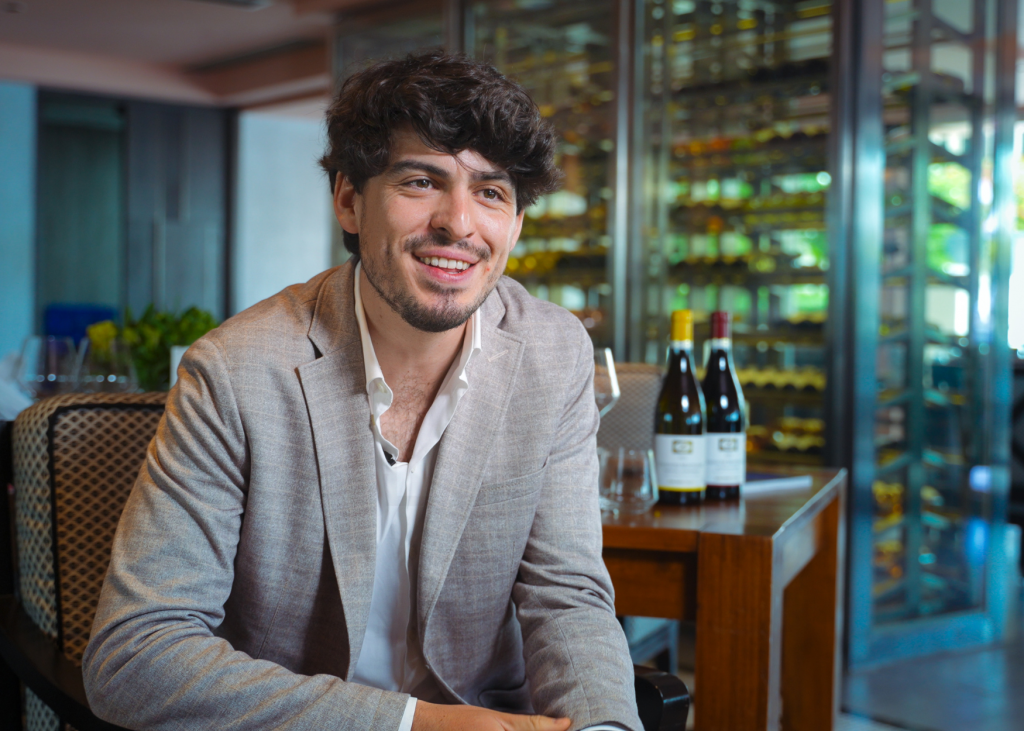
Antonin Pillot, the fifth generation of a winemaking family in Chassagne-Montrachet.
Boulevard: How do you balance a 150-year heritage with evolution—what traditions do you preserve, and what do you choose to change?
Antonin Pillot: As the fifth generation in a Burgundian family estate, it is first an honour. I feel a responsibility to preserve the estate’s memory and history, and that of the Pillot family. At the same time, we have to pay attention to the market and move in tandem with the evolution of wines.
Each generation adds a stone to the wall and prepares the next—for example, through better materials that allow us to be more precise and to improve, generation after generation. That is how I aim to honour those who came before me, who left the vineyards in such good condition.
Blvd: How does that heritage translate into what’s in the bottle—would your great-great-great-grandparents recognise the wines today?
Pillot: A lot of things have changed because of the information we now have. When you come back to the estate, you of course bring your own style to the wines, but you also follow the demands of the market. As I said, the previous generation prepared the next with better materials, so I can now be more precise.
“I feel a responsibility to preserve the estate’s memory and history, and that of the Pillot family. At the same time, we have to pay attention to the market and move in tandem with the evolution of wines.”
The market also imposes certain changes. For example, people no longer have cellars at home, so they buy wine from shops and expect wines that are more ready to drink. This means that as wine producers, we need to adapt. This is reflected in the bottles today: wines that are more approachable at a young age, with more softness, a bit less tannin in the reds and greater adaptability in the whites.
Blvd: In terms of the wines themselves, particularly the whites, what defines the region—and what makes yours distinctive?
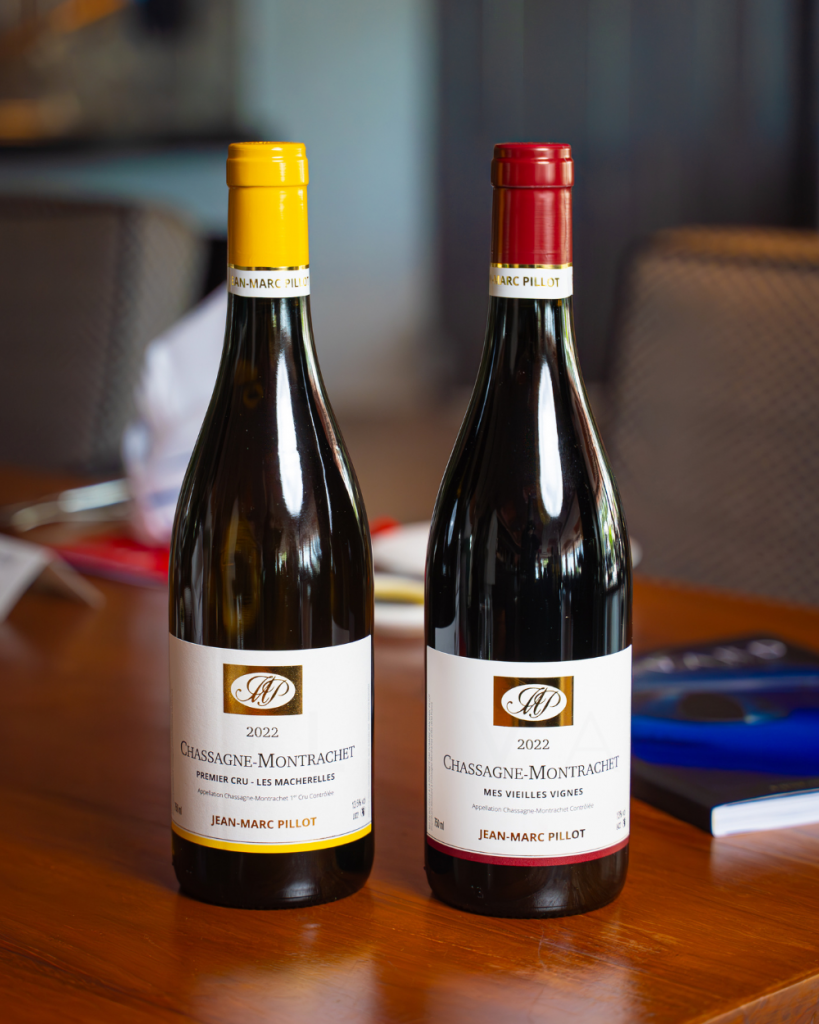
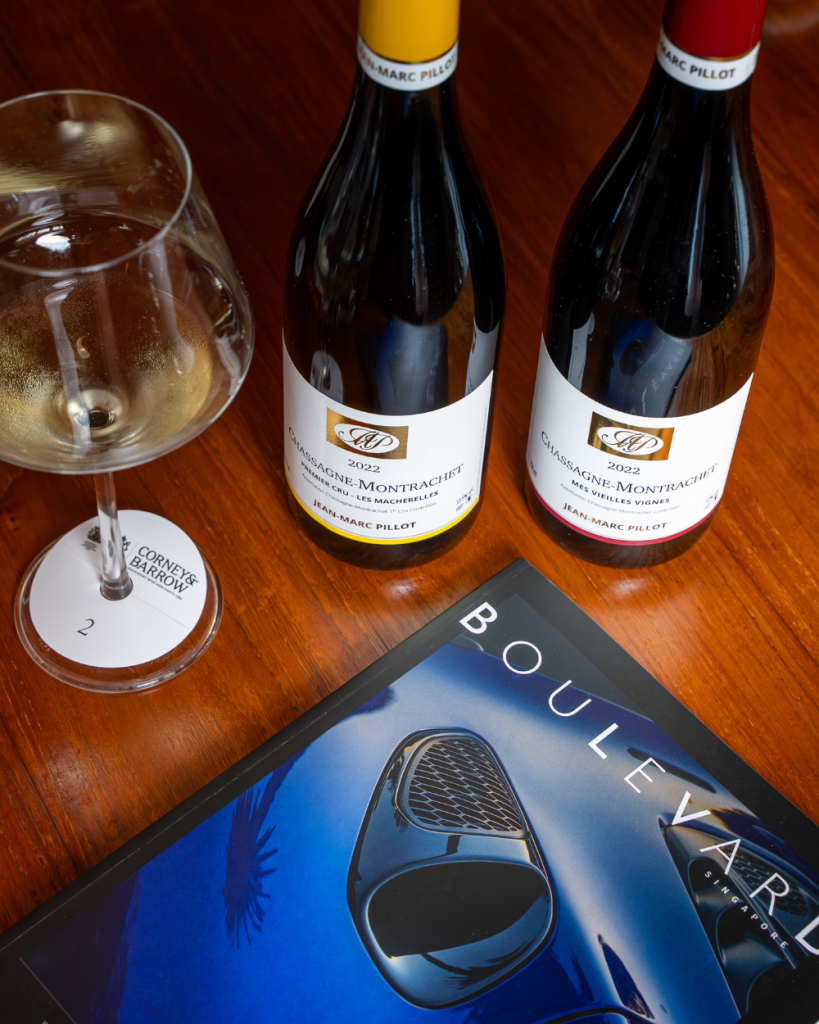
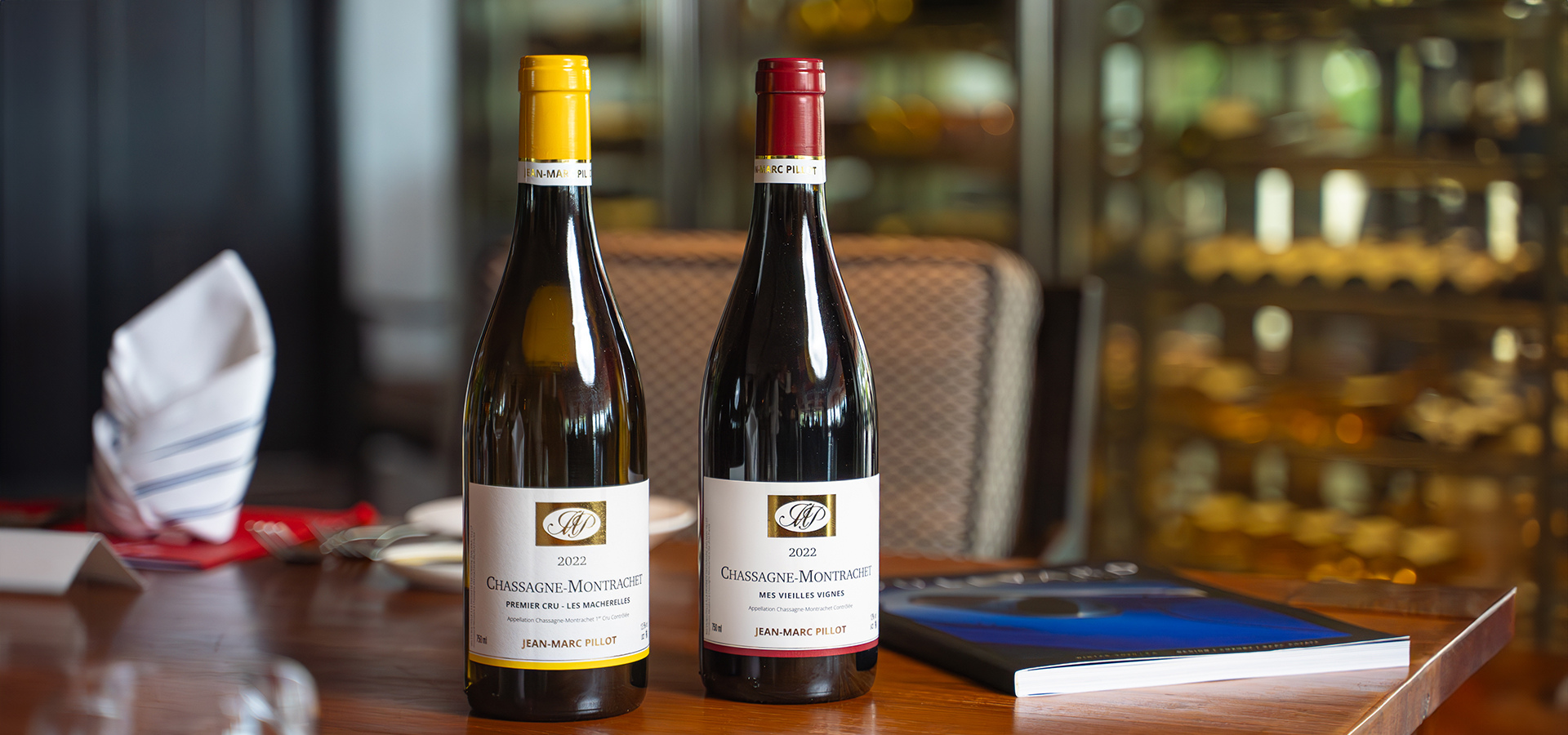
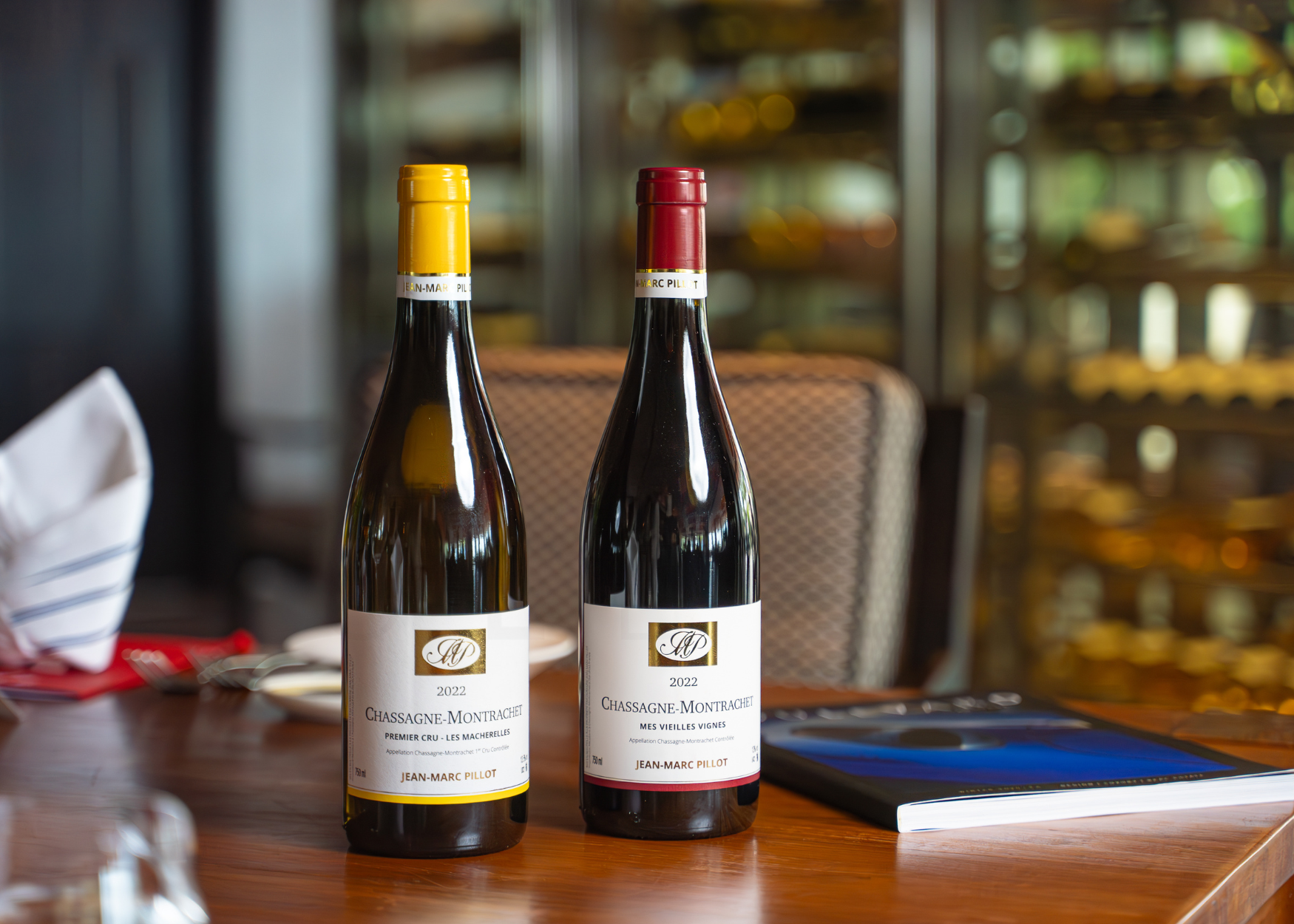
Chassagne-Montrachet Premier Cru Les Macherelles, a white Burgundy wine (left), and Mes Vieilles Vignes, a premier Burgundy wine (right), both by Domaine Jean-Marc Pillot.
Pillot: Chardonnay is a very subtle variety—fine and elegant—so every detail counts. It can easily turn out too simple or too rigid, but I aim for balance: wines that are accessible yet complex, with density and depth.
The climate has also changed, so we adapt techniques to keep the Chardonnay elegant. It should be enjoyable young, yet capable of ageing for 15 to 20 years. It requires a lot of work, but it’s a wonderful variety.
Blvd: When you say the wine is “accessible,” what exactly do you mean?
Pillot: With a village wine, traditionally, you might need to wait ten years before drinking it. I want to produce something accessible after just two years of ageing, for both cellars and customers. To achieve this, I adjust the vinification slightly, using fewer sulfites, for example, and incorporating some lees to give the wine more consistency and presence at a young age.
“People no longer have cellars at home, so they buy wine from shops and expect wines that are more ready to drink… This is reflected in the bottles today: wines that are more approachable at a young age, a bit less tannin in the reds and greater adaptability in the whites.”
Blvd: With that in mind, what is the lifestyle of your wines—how do you like them to be enjoyed?
Pillot: Chassagne is a versatile appellation because we have both whites and reds, so you can enjoy a Chassagne with almost anything. It’s great for starting a lunch, an aperitif or pairing with seafood.
For Premier Crus, the northern part of Chassagne, with its limestone soils, offers tight acidity and depth, while the southern part offers roundness, yellow fruit and sometimes a creamy texture. Older vintages pair well with richer dishes, like fatty fish. The reds can accompany all kinds of meats, or you can simply enjoy a glass by the pool when you want something fresh.
Our winemaking team, which is around 30 to 35 people, values simplicity. We aim to make good wines that are approachable and enjoyable for everyone, at any time.
Blvd: You mentioned doing a vinification in Tasmania and studying in Korea—what did you bring back from those experiences to the French tradition?
Pillot: I was 20 years old when I went to South Korea, and it was the first time I had left Burgundy. It really pushed me to be more open to the world, and that has helped me a lot with wine. It made me more curious and broadened my understanding of different wine identities.
“With a village wine, traditionally, you might need to wait ten years before drinking it. I want to produce something accessible after just two years of ageing, for both cellars and customers.”
In Tasmania, the focus was very much on winemaking. I brought back many things, especially in managing fruit in warmer temperatures. We are experiencing more of those vintages now, and Tasmania was already well prepared, having dealt with these conditions for many years. I learned a great deal from that experience.
Blvd: Lastly, what are you still learning in the world of wine and winemaking?
Pillot: At the moment, I’m drinking a lot of German Riesling. They often have some residual sugar, and I used to think wines had to be dry, as we do in Burgundy. But I’m learning that with German Riesling, you can have some sugar balanced with high acidity and still achieve fabulous wines.
I want to stay open to all styles. I also drink a lot of Italian wines and New World wines, such as those from Australia, specifically Tasmania. It’s about keeping that curiosity—always aiming to improve and to produce better wines. I want to remain curious.
Read next:
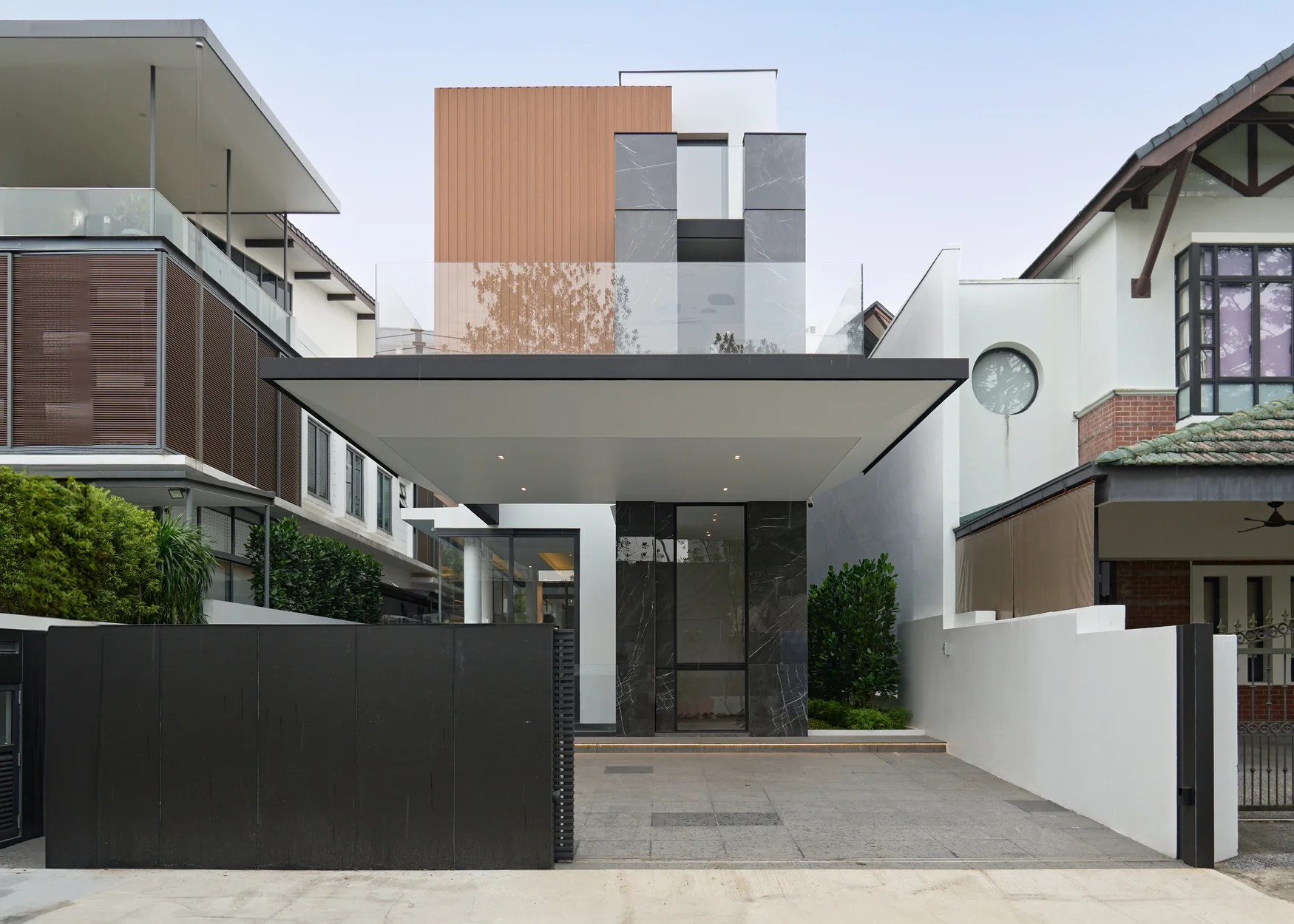
8+1 bed | 10,200 sqft area 19,500,000 SGD
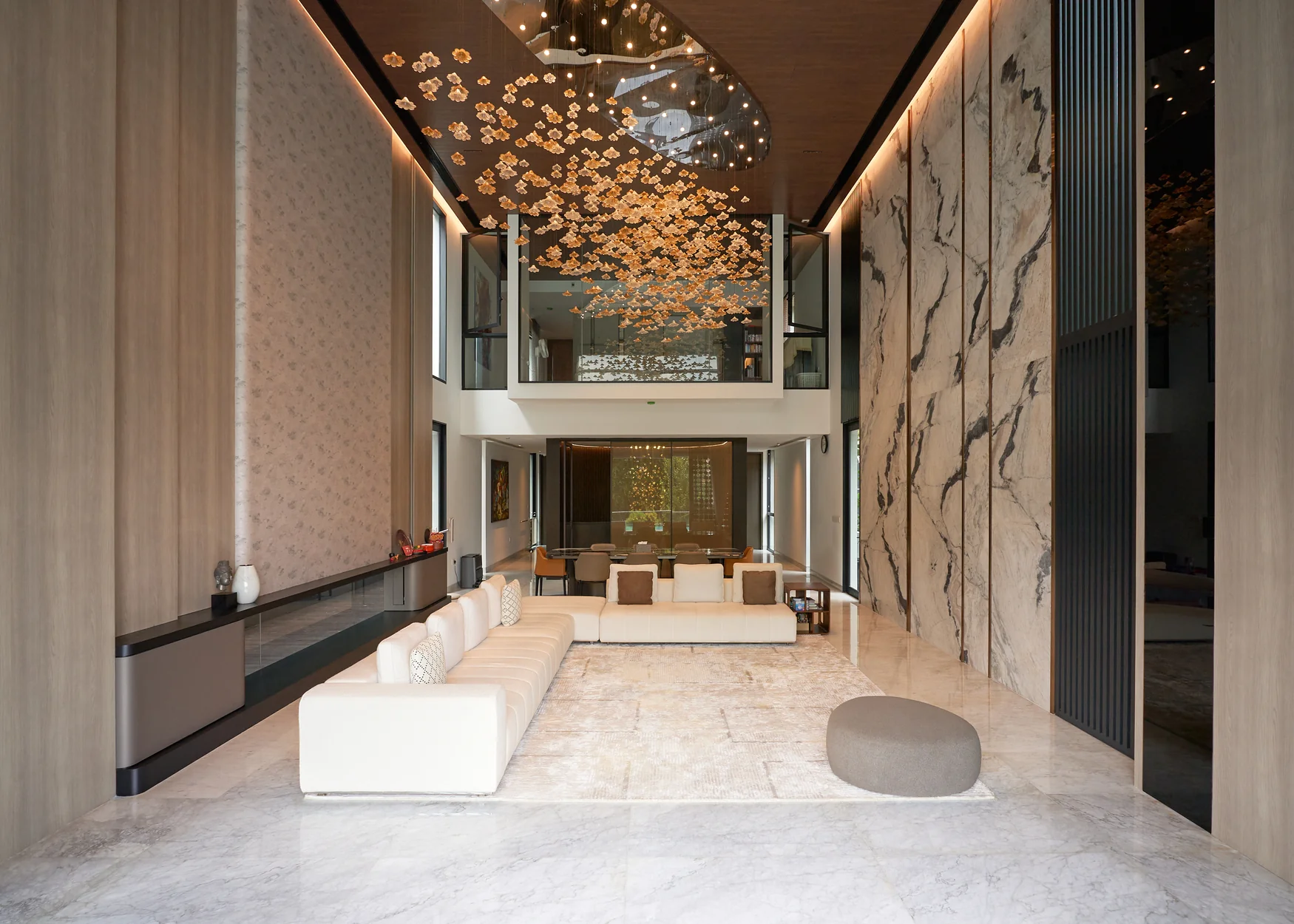
5 bed 19,380,000 SGD
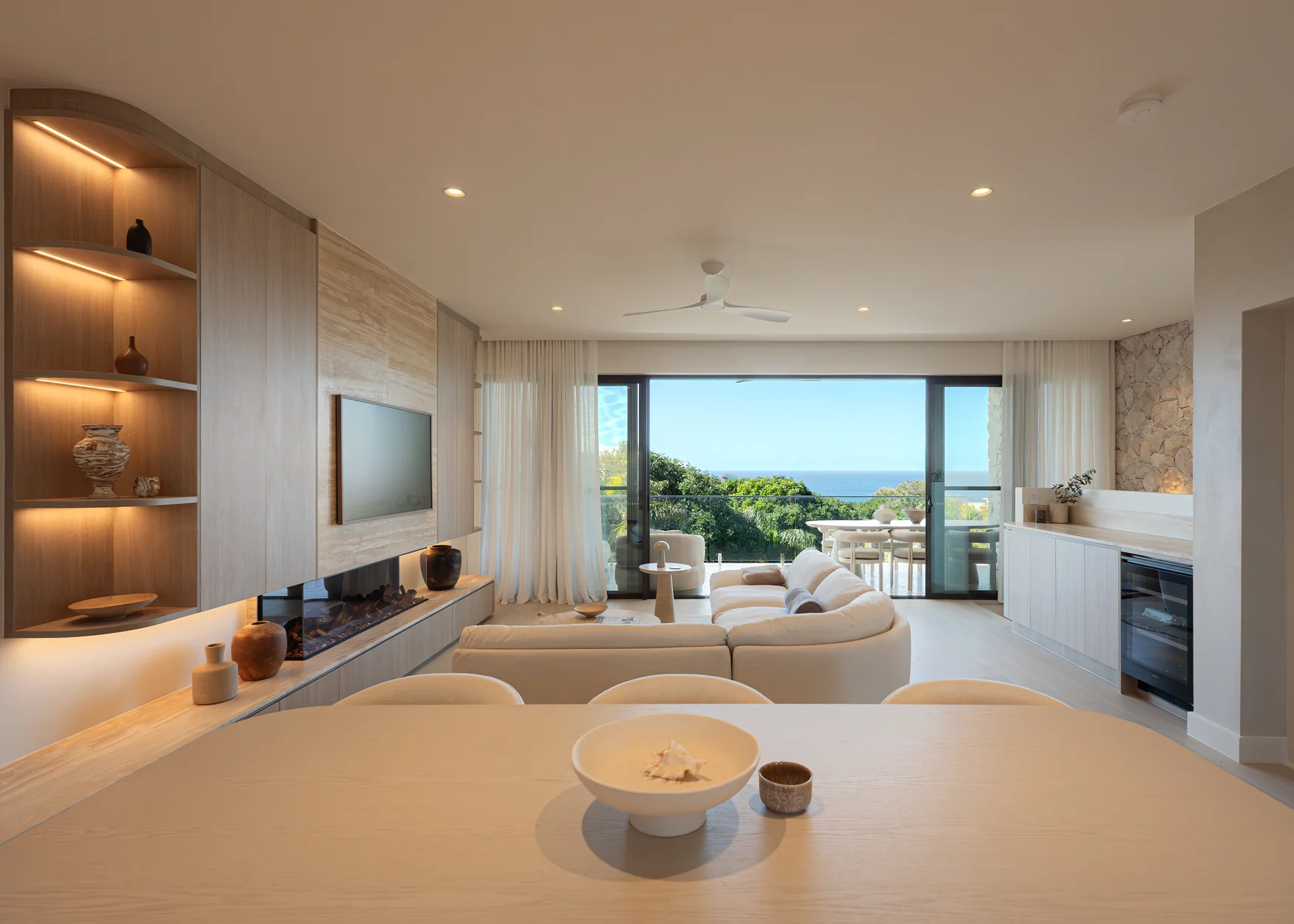
4 bed | 4,208 sqft area POA

3-8 bed | 699,654 - 784,080 sqft area POA
6 bed POA